6600 University Parkway, Suite 306
Lakewood Ranch, FL 34240

MGD & Blepharitis Treatment in Lakewood Ranch: Why Over-the-Counter Drops Won't Unclog Meibomian Glands
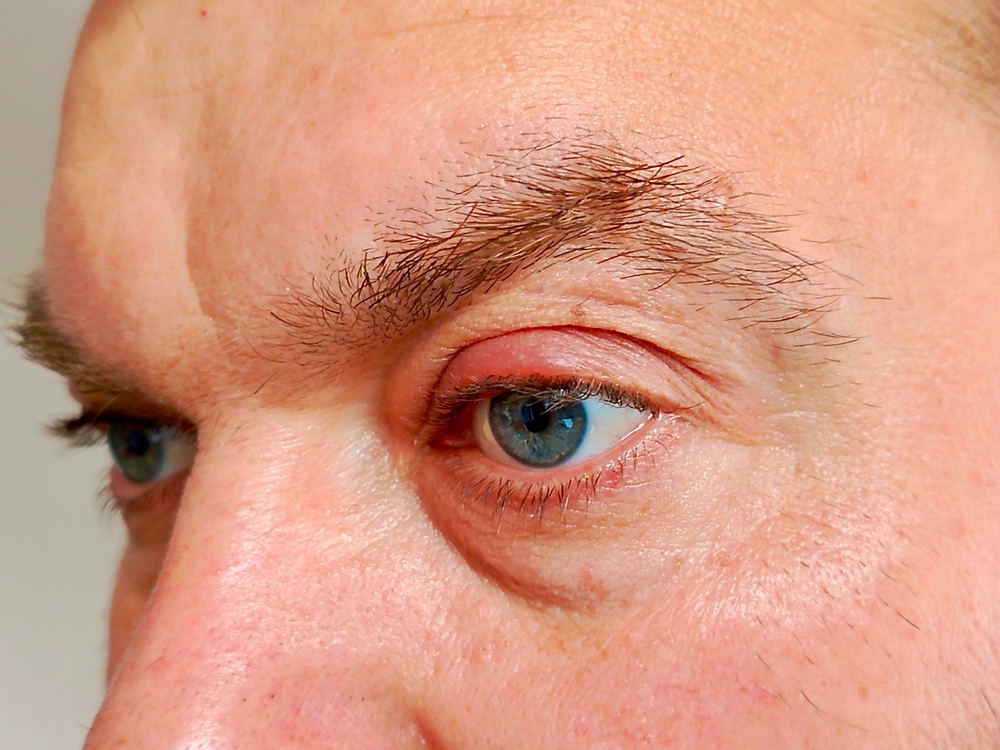
Dry, burning, or irritated eyes can make everyday activities uncomfortable. Many people reach for over-the-counter artificial tears, hoping for lasting relief. While these drops can temporarily improve moisture, they often fail to address the underlying cause of chronic dry eye symptoms. At Artisan Eye in Lakewood Ranch, FL, we help patients identify and manage conditions such as meibomian gland dysfunction (MGD) and blepharitis with personalized treatment options.
Understanding MGD and Blepharitis
Meibomian gland dysfunction occurs when the tiny oil-producing glands along the eyelids become blocked or fail to release healthy oils. These oils are essential for preventing tears from evaporating too quickly. When the glands are not functioning properly, the tear film becomes unstable, contributing to dryness and irritation.
Blepharitis is inflammation of the eyelid margins, often associated with bacteria, debris, or excessive oil buildup near the eyelashes. MGD and blepharitis frequently occur together, making proper diagnosis important for effective treatment.
Common symptoms include:
Burning, stinging, or gritty sensations
Redness and irritation along the eyelids
Crusting or flaky debris around the eyelashes
Blurry or fluctuating vision
Excessive watering despite feeling dry
If these symptoms persist, a comprehensive dry eye evaluation can help determine whether blocked meibomian glands or eyelid inflammation are contributing to your discomfort.
Why Artificial Tears Cannot Unclog Meibomian Glands
Over-the-counter lubricating drops help supplement the tear film and temporarily reduce dryness. However, they do not physically remove blockages inside the meibomian glands or adequately treat all causes of eyelid inflammation.
For patients with MGD, thickened oils can accumulate within the glands, preventing normal oil flow. Even frequent artificial tear use may provide only temporary relief because the underlying gland dysfunction remains.
While certain lubricating drops can help support tear film stability, persistent MGD and blepharitis often require treatments that specifically address gland function and eyelid health.
Advanced MGD and Blepharitis Treatment in Lakewood Ranch
At Artisan Eye, we evaluate your tear film, eyelid health, and signs of inflammation to develop a treatment plan based on your specific needs.
Depending on your condition, we may recommend several approaches.
OptiLight IPL Therapy: This intense pulsed light treatment helps reduce inflammation associated with dry eye and may improve meibomian gland function, supporting a healthier tear film.
OptiPlus Radiofrequency: This treatment uses controlled heat and gentle massage to help soften thickened gland oils and improve their expression.
TearCare System: TearCare applies targeted heat to the eyelids to soften obstructive oils, followed by gland expression to help restore oil flow.
Eyelid Hygiene and Home Care: Consistent eyelid cleansing, appropriate warm compresses, and prescribed treatments can help manage blepharitis and support ongoing eyelid health.
Treatment selection depends on the severity of gland dysfunction, inflammation, and other factors identified during your examination.
When to Seek Professional Dry Eye Treatment
If you regularly use artificial tears without meaningful improvement, it may be time to investigate the underlying cause. Untreated MGD can contribute to persistent tear film instability, while ongoing blepharitis may lead to recurring eyelid irritation.
Our Lakewood Ranch eye care team focuses on identifying the source of your symptoms rather than simply masking discomfort with temporary solutions.
If you're experiencing persistent dryness, irritated eyelids, or symptoms that keep returning despite using eye drops, schedule a dry eye evaluation with Artisan Eye at 6600 University Parkway, Suite 306, Lakewood Ranch, FL 34240, by calling (941) 242-2020 to explore personalized MGD and blepharitis treatment options.
Quick Links
All Eye
Care Services
Keep
In Touch

Contact Info
office hours
- Monday8:00am - 4:00pm
- Tuesday9:00am - 5:00pm
- Wednesday9:00am - 5:00pm
- Thursday9:00am - 5:00pm
- Friday9:00am - 1:00pm
- SaturdayClosed
- SundayClosed
© 2026 Artisan Eye. All rights Reserved. Accessibility Statement - Privacy Policy - Sitemap
Powered by:
