

6600 University Parkway, Suite 306
Lakewood Ranch, FL 34240

How Do You Treat Keratoconus in Children?
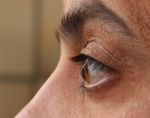
When a child’s vision begins to change rapidly, it can affect everything from school performance to daily confidence. Some eye conditions develop quietly, without obvious symptoms at first, making regular eye care especially important during childhood and adolescence. One such condition is keratoconus, which requires early diagnosis and specialized treatment to protect long-term vision. Understanding the condition is the first step toward ensuring children receive the care they need at the right time.
What Is Keratoconus?
Keratoconus is a progressive eye condition in which the cornea - the clear, front surface of the eye - gradually thins and bulges outward into a cone-like shape. This irregular shape prevents light from focusing properly on the retina, leading to blurred or distorted vision that cannot be fully corrected with glasses alone. Keratoconus often begins in the teenage years but can appear in younger children, and it tends to progress more quickly in pediatric patients. Common signs include frequent prescription changes, increased sensitivity to light, glare, ghosting of images, and eye rubbing.
Early Detection Is Critical
Keratoconus in children can worsen faster than in adults, making early detection especially important. Parents may notice signs such as frequent prescription changes, blurry or distorted vision, increased light sensitivity, or persistent eye rubbing. Regular comprehensive eye exams allow eye doctors to detect subtle corneal changes before vision is significantly affected. Advanced diagnostic technology, such as corneal mapping, helps identify keratoconus in its earliest stages, even before noticeable symptoms appear.
Improving Vision With Specialty Contact Lenses
Because glasses often cannot correct the irregular vision caused by keratoconus, specialty contact lenses are a key part of treatment for children.
Common specialty lens options include:
- Rigid gas permeable (RGP) lenses, which provide clearer vision by creating a smooth optical surface
- Hybrid lenses, combining a rigid center with a soft outer ring for improved comfort
- Scleral lenses, which vault over the cornea and rest on the sclera, offering excellent vision and comfort for more advanced cases
These lenses are custom-designed to fit each child’s unique eye shape. With proper fitting and follow-up care, children can achieve clearer, more stable vision while staying active at school and in sports.
Addressing Eye Rubbing and Allergies
Eye rubbing is strongly associated with the progression of keratoconus, particularly in children. Managing allergies and educating children on avoiding eye rubbing are essential parts of treatment. Allergy medications, lubricating eye drops, and behavioral strategies can help protect the cornea from further damage.
Ongoing Monitoring and Long-Term Care
Treating keratoconus in children is not a one-time event - it requires consistent monitoring and adjustments as the child grows. Regular follow-up visits allow eye doctors to track corneal changes, update contact lens prescriptions, and ensure treatments remain effective over time. With the right care plan, many children with keratoconus can maintain functional vision and avoid more invasive procedures.
Schedule a Keratoconus Evaluation at Artisan Eye Today
Keratoconus in children requires early diagnosis, careful monitoring, and a customized treatment approach. Modern treatment options make it possible to slow progression and significantly improve vision. With proactive care, children with keratoconus can continue to learn, play, and thrive with confidence in their eyesight.
If your child has been diagnosed with keratoconus or is experiencing frequent vision changes, contact Artisan Eye to schedule a comprehensive eye exam and learn how specialty contact lenses can help protect your child’s vision for the future. Visit our office in Lakewood Ranch, Florida, or call (941) 2442-2020 to book an appointment today.
Quick Links
All Eye
Care Services
Keep
In Touch

Contact Info
office hours
- Monday8:00am - 4:00pm
- Tuesday9:00am - 5:00pm
- Wednesday9:00am - 5:00pm
- Thursday9:00am - 5:00pm
- Friday9:00am - 1:00pm
- SaturdayClosed
- SundayClosed
© 2026 Artisan Eye. All rights Reserved. Accessibility Statement - Privacy Policy - Sitemap
Powered by:
